

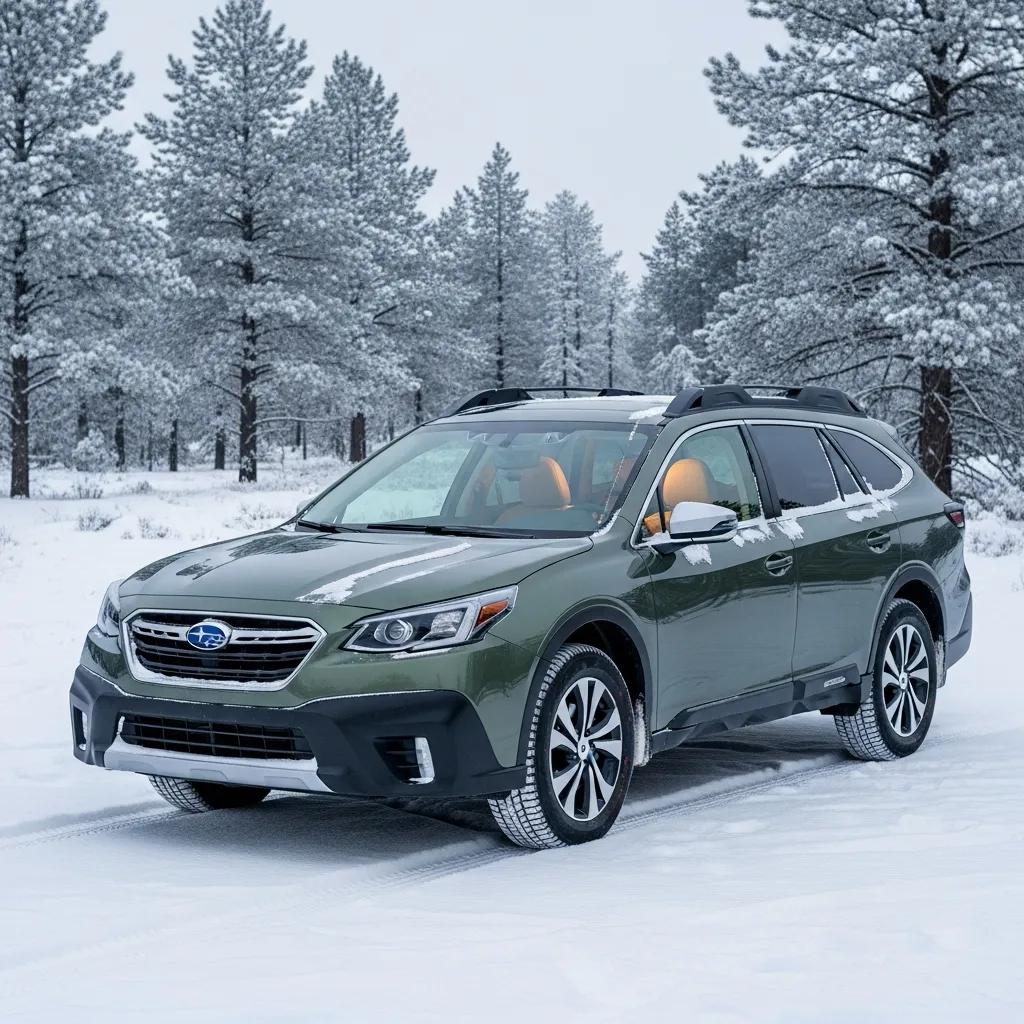
Winter Car Maintenance Guide for Canada: Essential Automotive Supplies and Emergency Kit Checklist for Safe Winter Driving
As winter approaches in Canada, ensuring your vehicle is prepared for the harsh conditions is crucial. This guide provides essential information on winter car maintenance, focusing on the automotive supplies necessary for safe driving and the items needed in an emergency kit. Many drivers face challenges such as battery failures, fluid issues, and unexpected breakdowns during the winter months. By understanding the key components of winter car care, you can mitigate these risks and ensure a safer driving experience. This article will cover essential automotive supplies, a comprehensive emergency kit checklist, and maintenance tips to keep your vehicle in optimal condition throughout the winter.
What Are the Essential Automotive Supplies for Canadian Winter Conditions?
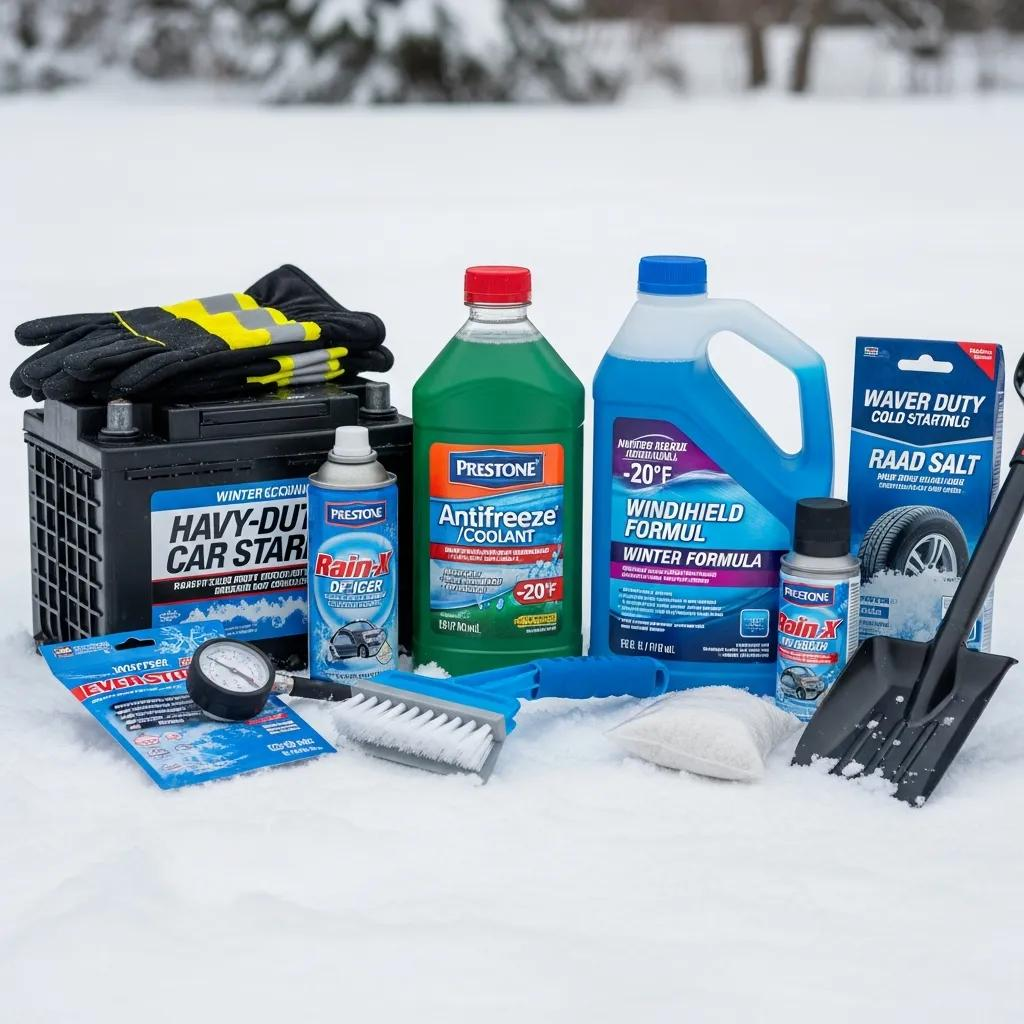
In Canada, winter conditions can be severe, making it essential to equip your vehicle with the right automotive supplies. These supplies not only enhance vehicle performance but also ensure safety on the road. Key items include winter car fluids, batteries, and other essential tools that help maintain your vehicle’s functionality during the cold months.
Everyday Supply offers a range of automotive supplies tailored for winter conditions, ensuring you have access to high-quality products that meet your needs. Keep your winter car supplies organized year-round with effective garage storage solutions designed for Canadian homes.
Which Car Fluids Are Critical for Winter Car Care?
Maintaining the right car fluids is vital for winter car care. Essential fluids include:
- Antifreeze: Prevents the engine from freezing and protects against corrosion.
- Windshield Washer Fluid: Ensures clear visibility by preventing ice buildup on the windshield.
- Oil: Using the correct oil viscosity helps the engine start smoothly in cold temperatures.
These fluids play a crucial role in ensuring your vehicle operates efficiently and safely during winter.
Beyond traditional fluids, the performance of various fuel types in cold temperatures also significantly impacts a vehicle’s ability to start and operate effectively.
Cold Weather Fuel Performance & Vehicle Startability
This study examines the cold performance of biodiesel blends in a passenger car and a light duty truck at −16 °C and −20 °C. The cold filter plugging point (CFPP) and the cloud point had an effect on the startability and driveability of both the passenger car and the light duty truck. The startability and driveability of the passenger car with all biodiesel blends (B5) were generally good at −20 °C. In the light duty truck, biodiesel blends (B10 and B20) of soybean, waste cooking, rapeseed and jatropha tended to be good at −20 °C in the startability and driveability tests than the biodiesel blends (B10 and B20) of cottonseed and palm.
Cold performance of various biodiesel fuel blends at low temperature, 2012
How to Select a Winter Car Battery Suitable for Canadian Climate?
Choosing the right winter car battery is essential for reliable vehicle performance. Look for batteries with the following features:
- Cold Cranking Amps (CCA): A higher CCA rating ensures the battery can start the engine in low temperatures.
- Maintenance-Free Design: Opt for batteries that do not require regular maintenance, making them more convenient during winter.
- Warranty: A good warranty can provide peace of mind regarding the battery’s reliability.
Selecting a battery that meets these criteria will help ensure your vehicle starts reliably throughout the winter months.
Understanding the science behind battery performance in extreme cold further emphasizes the importance of choosing the right battery for Canadian winters.
Winter Battery Performance & Cold Starting Challenges
Starting at low temperatures is difficult for two reasons. A cold engine requires higher torque to start it, and the colder the battery the less the amount of current that can be drawn from it.With a 24-v battery, an engine requires to start it at a certain temperature only one-fourth the amount of current it would require if the battery were only 6 v.After an engine has been started, it is necessary to put back the energy taken out plus a little more because battery charging is not 100% efficient. This cannot be done at low temperatures. For efficient charging, the battery temperature should be at least 40 F.
Storage Battery Performance at Low Temperatures, 1943
What Items Should a Comprehensive Winter Car Emergency Kit Include?
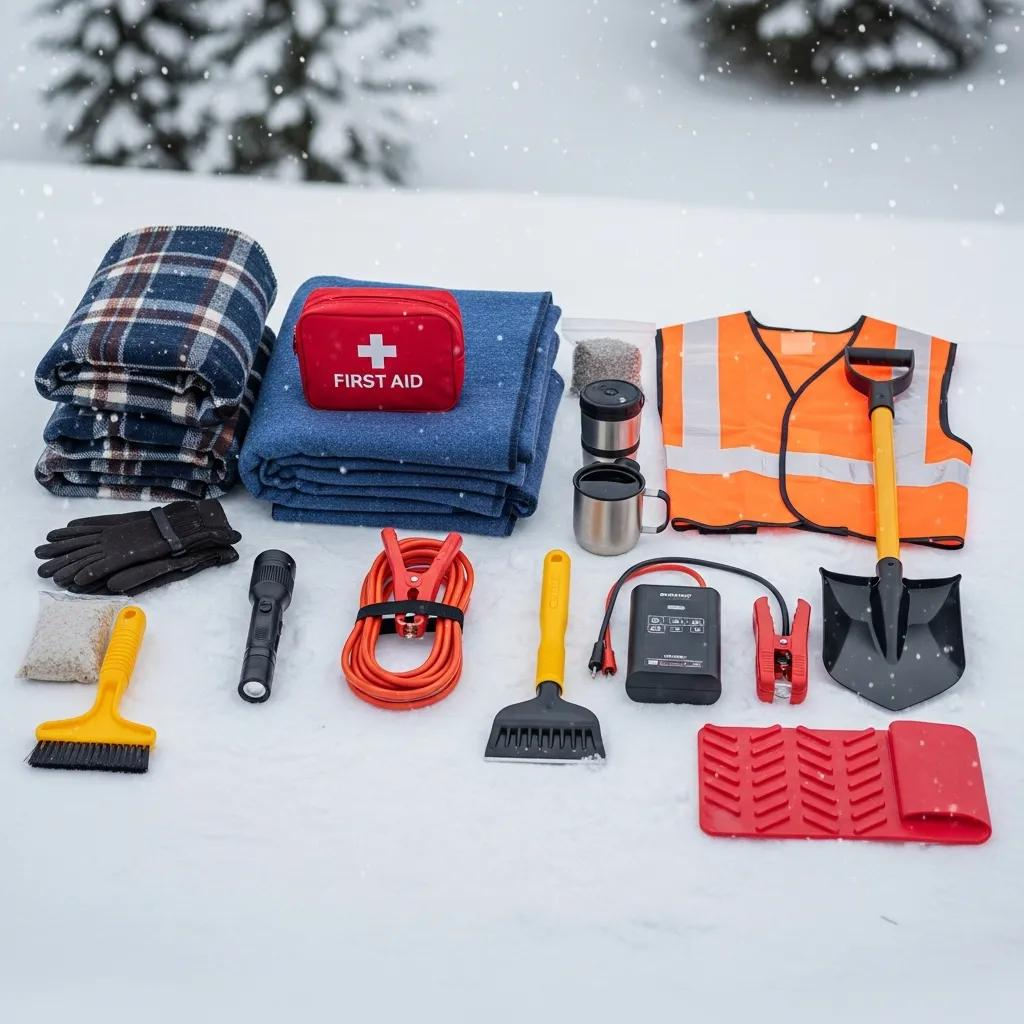
A well-prepared winter car emergency kit can be a lifesaver in unexpected situations. Essential items to include are:
- First Aid Kit: For treating minor injuries.
- Blankets: To keep warm in case of a breakdown.
- Flashlight: Essential for visibility during nighttime emergencies.
These items are crucial for ensuring safety and comfort if you encounter difficulties while driving in winter conditions. Many camping and outdoor emergency supplies double as excellent additions to your winter car emergency kit.
What Are the Must-Have Tools and Supplies in a Winter Emergency Kit?
When assembling a winter emergency kit, consider including the following must-have tools and supplies:
- Jumper Cables: For jump-starting a dead battery.
- Ice Scraper: To clear ice and snow from windows.
- Shovel: Useful for digging out your vehicle if it gets stuck.
Having these tools readily available can make a significant difference in emergency situations.
How to Assemble an Emergency Kit Compliant with Canadian Winter Safety Standards?
To ensure your emergency kit meets Canadian winter safety standards, follow these guidelines:
- Include Essential Supplies: Ensure your kit contains all necessary items, such as food, water, and a flashlight.
- Check Expiration Dates: Regularly inspect your kit to replace expired items.
- Store in an Accessible Location: Keep the kit in your vehicle where it can be easily accessed in an emergency. If you’re short on garage space, check out our small space storage ideas for keeping winter automotive supplies accessible yet organized.
By following these steps, you can create a comprehensive emergency kit that enhances your safety during winter travel.
Essential Winter Emergency Kits for Canadian Drivers
Investing in a quality winter emergency kit can be life-saving during harsh Canadian winters. Here’s a comparison of top-rated options and essential gear:
Complete Winter Emergency Kits
| Product Name | Key Features | Best For | Value Rating | Approx. Price (CAD) |
|---|---|---|---|---|
| Canadian Tire Roadside Emergency Kit (Premium) | 73 pieces, booster cables, first aid, reflective vest, ice scraper, shovel, tow rope, Canadian-specific items | Comprehensive coverage, all-season use, Canadian winters | ⭐⭐⭐⭐⭐ (5/5) | $80 – $120 |
| AAA Severe Weather Road Kit | 42 pieces, thermal blanket, flashlight, jumper cables, warning triangle, gloves, first aid | Extreme weather preparedness, compact storage, trusted brand | ⭐⭐⭐⭐ (4/5) | $60 – $90 |
| Lifeline 4388AAA Premium Road Kit | 85 pieces, 8-gauge cables, LED flashlight, multi-tool, reflective triangles, winter gloves | Maximum preparedness, heavy-duty components, value-packed | ⭐⭐⭐⭐ (4/5) | $70 – $100 |
| Michelin Roadside Emergency Kit | 32 pieces, basic tools, first aid, booster cables, compact case | Budget-friendly, essential coverage, space-saving | ⭐⭐⭐ (3/5) | $40 – $60 |
Specialized Winter Safety Equipment
| Product Name | Key Features | Best For | Value Rating | Approx. Price (CAD) |
|---|---|---|---|---|
| NOCO Boost Plus GB40 | 1000A jump starter, USB charging, LED flashlight, compact lithium battery, -20°C rated | Dead battery emergencies, modern vehicles, tech-savvy drivers | ⭐⭐⭐⭐⭐ (5/5) | $120 – $150 |
| Michelin Stealth Ultra Hybrid Wiper Blades | All-season performance, -40°C rated, beam design, easy installation | Extreme winter visibility, ice/snow resistance, durability | ⭐⭐⭐⭐⭐ (5/5) | $25 – $40/pair |
| Hopkins SubZero Windshield Washer Fluid | -49°C freeze protection, 3.78L, streak-free, Canadian formula | Extreme cold climates, prairie winters, reliable performance | ⭐⭐⭐⭐ (4/5) | $8 – $12 |
| Garant Yukon Ergonomic Snow Shovel | Poly blade, steel wear strip, ergonomic handle, compact for trunk storage | Vehicle extraction, parking lot clearing, emergency digging | ⭐⭐⭐⭐ (4/5) | $30 – $45 |
Winter Preparedness Checklist:
- ✅ Replace emergency kit items annually (batteries, flares, food)
- ✅ Test jump starter monthly during winter months
- ✅ Keep washer fluid reservoir full (-40°C rated minimum)
- ✅ Store emergency blankets in waterproof bags
- ✅ Add extra items for remote travel: candles, matches, non-perishable food
- ✅ Keep cell phone car charger and portable battery pack
Where to Buy in Canada:
- Canadian Tire (nationwide, extensive winter selection)
- Princess Auto (heavy-duty tools and equipment)
- Amazon.ca (wide selection, compare prices)
- NAPA Auto Parts (professional-grade supplies)
- Local automotive shops (personalized recommendations)
How to Perform a Winter Car Maintenance Checklist for Optimal Vehicle Performance?
Regular maintenance is key to ensuring your vehicle performs well during winter. A winter car maintenance checklist should include:
- Battery Inspection: Check for corrosion and ensure the battery is fully charged.
- Tire Condition: Inspect tire tread depth and ensure proper inflation.
- Fluid Levels: Regularly check and top up all essential fluids.
Following this checklist will help you maintain your vehicle’s performance and safety throughout the winter months.
What Are the Key Steps in Preparing Your Car for Canadian Winter?
Preparing your car for winter involves several key steps:
- Inspect the Battery: Ensure it is in good condition and fully charged.
- Check Tire Pressure: Cold temperatures can reduce tire pressure, so check and inflate as necessary.
- Test the Heating System: Ensure your vehicle’s heating system is functioning properly for comfort and safety.
These steps are essential for ensuring your vehicle is ready to handle the challenges of winter driving.
How Often Should You Inspect and Maintain Winter Car Components?
Regular inspections are crucial for maintaining winter car components. It is recommended to:
- Inspect Fluids Monthly: Check levels and top up as needed.
- Check Tires Bi-Weekly: Monitor tire pressure and tread depth regularly.
- Battery Check Before Winter: Inspect the battery at the start of the season to ensure reliability.
By adhering to this maintenance schedule, you can prevent potential issues and ensure your vehicle remains safe and functional during winter.
Which Winter Driving Safety Products Enhance Vehicle and Passenger Protection?
In addition to maintenance, using winter driving safety products can significantly enhance protection for both the vehicle and passengers. These products include:
- Winter Tires: Designed for improved traction on snow and ice.
- Traction Aids: Such as sand or kitty litter to help gain traction if stuck.
- Reflective Safety Gear: To increase visibility in case of an emergency.
Investing in these safety products can help ensure a safer driving experience during the winter months. Keep your vehicle stocked with essential office supplies for mobile workers to maintain productivity during Canadian winter commutes.
What Are the Recommended Snow Removal Tools for Canadian Winters?
Effective snow removal tools are essential for maintaining vehicle safety during winter. Recommended tools include:
- Snow Shovel: For clearing snow around your vehicle.
- Snow Brush: To remove snow from the windshield and roof.
- Ice Scraper: For clearing ice from windows.
Having these tools on hand can help you quickly address snow and ice buildup, ensuring better visibility and safety.
How Do Winter Tires and Accessories Improve Driving Safety?
- Improved Traction: Winter tires provide better grip on snow and ice compared to all-season tires.
- Shorter Stopping Distances: Enhanced rubber compounds and tread designs help reduce stopping distances in winter conditions.
- Increased Control: Accessories like tire chains can further improve traction on icy roads.
By equipping your vehicle with winter tires and accessories, you can significantly enhance your safety while driving in challenging winter conditions.
Research consistently demonstrates the tangible benefits of winter tires in improving vehicle safety and capability in cold weather operations.
Winter Tire Traction for Enhanced Safety
Initial performance evaluations conducted during the winters of 2020 and 2021 demonstrated and quantified significant improvements to traction and handling on a variety of winter surfaces. User feedback from United States Army Alaska (USARAK) Soldiers confirmed these results in an operational environment. Results of this study provide new winter tire specifications for the Army and justify the procurement of a HMMWV winter tire for improved safety and capability for US Soldier and vehicle fleet needs.
Improving winter traction for vehicles in northern operations, S Karwaczynski, 2021
About the Author
Marc Lefebvre is an automotive safety advocate and technical writer with a focus on Canadian winter driving preparedness. Drawing on years of experience in vehicle maintenance and emergency response planning, Marc provides practical, life-saving advice on automotive supplies and maintenance routines designed to withstand Canada’s harshest climates.
